What the coating numbers mean
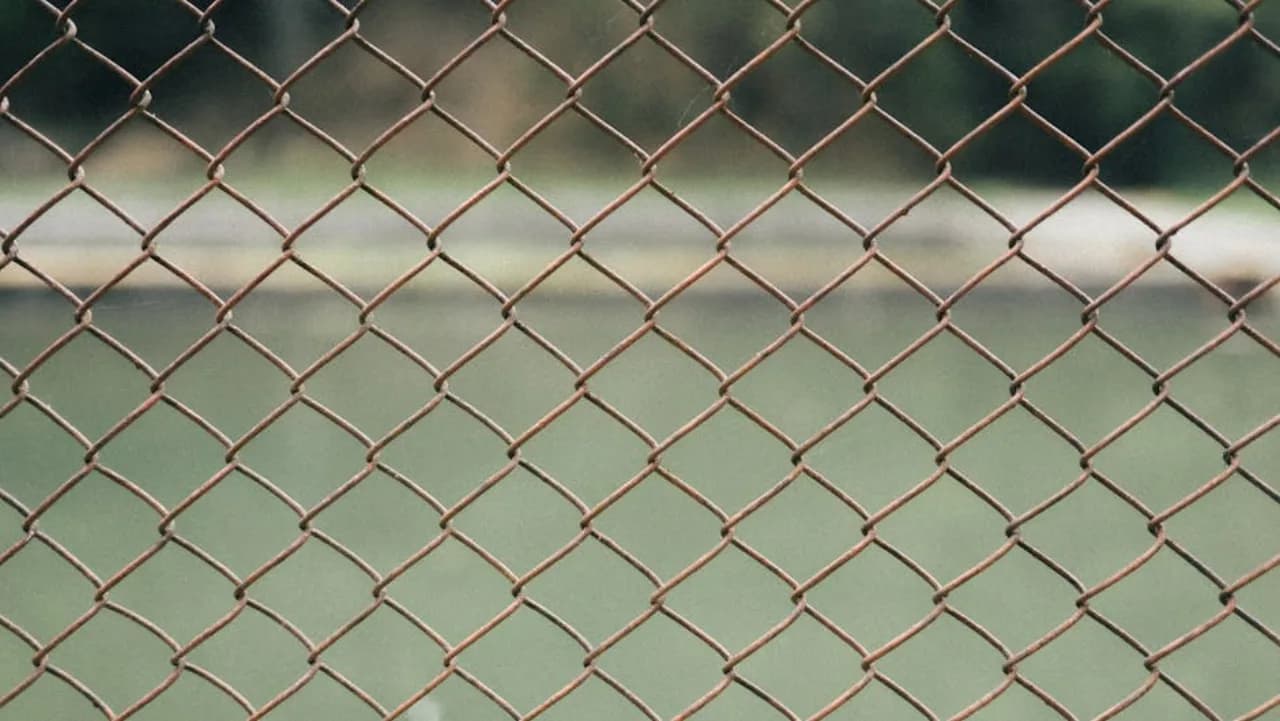
Galvanized chain-link is steel wire coated with zinc, which sacrificially protects the steel by oxidizing first. Coating weight (oz/ft² of the wire surface) determines how long the zinc lasts before the steel starts to rust. Class 1 is the residential and light-commercial standard — 1.2 oz/ft², roughly 10–15 years of corrosion protection. Class 2C is the commercial and municipal standard — 2.0 oz/ft², 25–40 years of protection.
Where each is required
Class 1 is acceptable for residential perimeter, dog runs, temporary fence (limited service life expected), light agricultural. Box-store chain-link sold in Canada is almost always Class 1.
Class 2C is mandatory for: any commercial perimeter expected to last 20+ years; any municipal RFP submission (school yards, parks, water utilities, transit yards); any installation within 50 km of saltwater coastline; any urban site exposed to winter de-icing salt-spray.
Why box-store chain-link fails commercial spec
Big-box retailers stock Class 1 because it's the cheapest acceptable grade and the residential customer base doesn't need more. Commercial buyers walking into a box store may not even know to ask. The result: commercial installs using box-store wire fail their 20-year service expectation by year 7, with rust starting at cut wire ends and propagating along the mesh.
Mill-test certificate — what to ask for
Every coil of Class 2C galvanized wire ships with a mill-test certificate showing actual zinc weight per ASTM A392. On commercial submittals, request the certificate by coil ID and verify the zinc oz/ft² number is at or above 2.0. Fenced.ca's commercial orders ship with the certificate as a closeout deliverable.
Cost economics
Class 2C wire costs roughly 18% more than Class 1 (per linear foot of fabric). Installation labour is identical — same tension procedure, same tie wire, same post-mounting hardware. On a 25-year service life expectation, Class 2C costs about half as much per year as Class 1 because of the 2.5× service life. There is no commercial-buyer reason to specify Class 1.
Frequently asked questions
Related guides
Cattle fence spec for Canadian ranches: 4 wire systems
Cattle fence specification for Canadian cow-calf, feedlot, and dairy operations. Woven wire (page wire) for permanent perimeter, barbed for cross-fencing, high-tensile electric for rotational grazing, board fence for handling pens. Class 3 galvanizing is the agricultural standard — Class 1 corrodes in pasture conditions inside 5-7 years. Post spacing 8-12 feet on permanent runs; corner bracing every 660 ft of straight run. Related: [browse farm fence](/fences/farm), [start a quote](/quote), [more buying guides](/guides).
→Fence cost in Canada 2026: per linear foot, every material
Canadian fence cost ranges $4.50/ft (farm woven-wire) to $240/ft (frameless glass pool), installed. Per-linear-foot pricing is more honest than per-panel because gates, end-posts, footings to frost depth, and existing-fence removal aren't panel-priced. Regional variation matters — Atlantic salt-spray, prairie frost, BC mild climate, and Quebec pool regulation all shift pricing. Related: [browse all fence categories](/fences), [start a quote](/quote), [more buying guides](/guides).
→Quebec 2025 pool fence regulation: compliance guide
Complete guide to Quebec's 2025 pool fence regulation: 1.2 m minimum height measured outside, self-closing self-latching gate, no climbable surface within 1 m, picket spacing ≤100 mm. Applies to every residential pool ≥60 cm depth. Compliance window is 60 days from installation. Frameless glass and aluminum picket are the compliant material defaults. Related: [pool fence regulations across Canada](/guides/pool-fence-regulations-canada), [start a quote](/quote), [browse pool fence](/fences/pool-glass).
→One quote. Every material. Every province.
Tell us material, project size, postal code, and contact — we come back within 24 hours with pricing, lead time, and a local install or delivery slot.